What’s been going on with Big Sugar’s Southland rock mine proposal, and what does the future hold for the dangerous project?
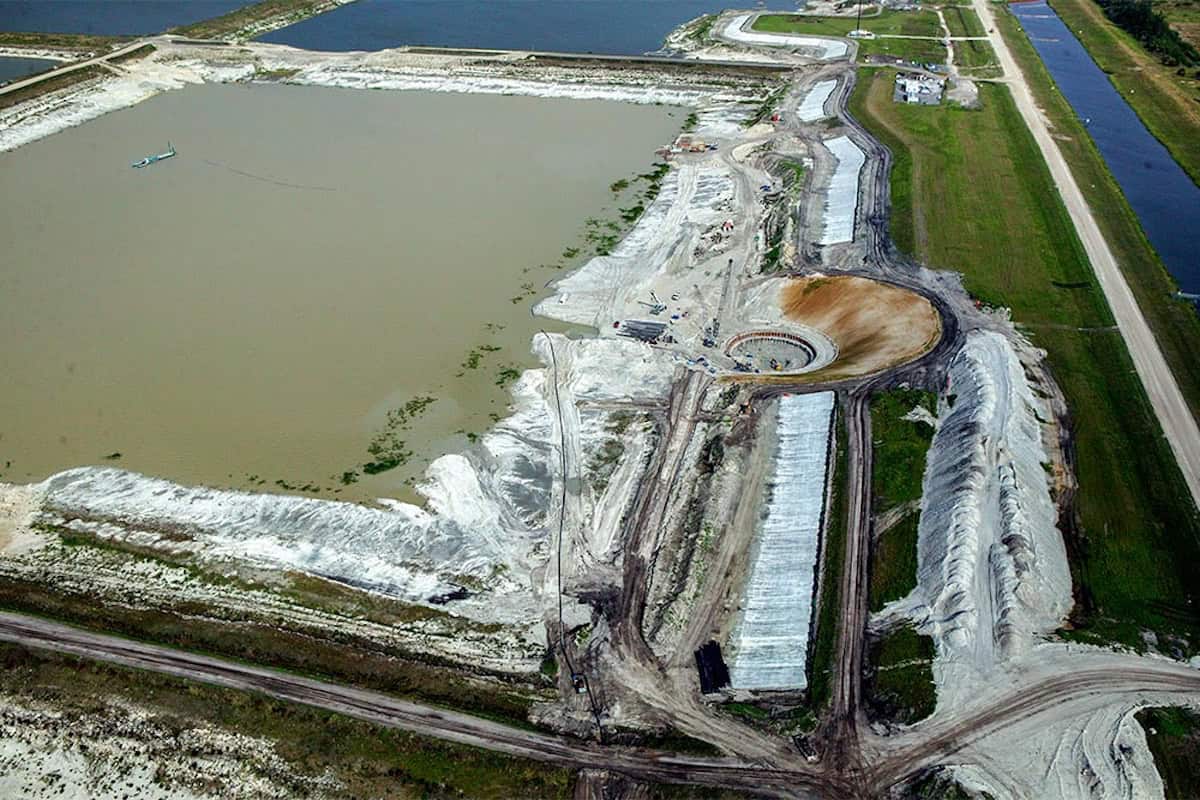
Over the past year, we’ve been fighting alongside our supporters to stop a reckless proposal by Big Sugar and the Southland Group (Phillips & Jordan) to excavate an 8,000-acre industrial rock mine in the Everglades Agricultural Area (EAA)—just 1,000 feet from the $4 billion EAA Reservoir, the crown jewel of Everglades restoration.
This isn’t just another land-use proposal. If allowed to move forward, blasting a mine next to the EAA Reservoir could:
- Compromise the reservoir’s structural integrity.
- Contaminate drinking water for millions of Floridians.
- Undermine decades of restoration work and billions in taxpayer investment.
The U.S. Army Corps of Engineers has already raised concerns about seepage risks and potential impacts to the EAA Reservoir, and scientists warn the consequences could be catastrophic. In short: this is a generational threat to Everglades restoration, Florida’s water, and our way of life. To learn more about the risks of this rock mine, read our full breakdown here.

But while things may appear quiet on the surface right now, there’s been a few behind-the-scenes developments over the past couple of months. And with the situation likely to be relatively stagnant for the next few months, we wanted to provide you with an update on where things stand now.
Here’s the latest:
1. Rock Mine Proposal Deadline Extended
Back on August 27th, the South Florida Water Management District (SFWMD) was expecting an updated, more complete proposal from the Southland Group. This deadline came after SFWMD, in April, outlined specific evaluation criteria for the proposed mine, which Southland has been billing as a “water resources project.”
The request from the district outlined criteria like public benefit, water storage capacity, water quality improvements, and hydrological safety—criteria that should be easily met by a truly beneficial water project.
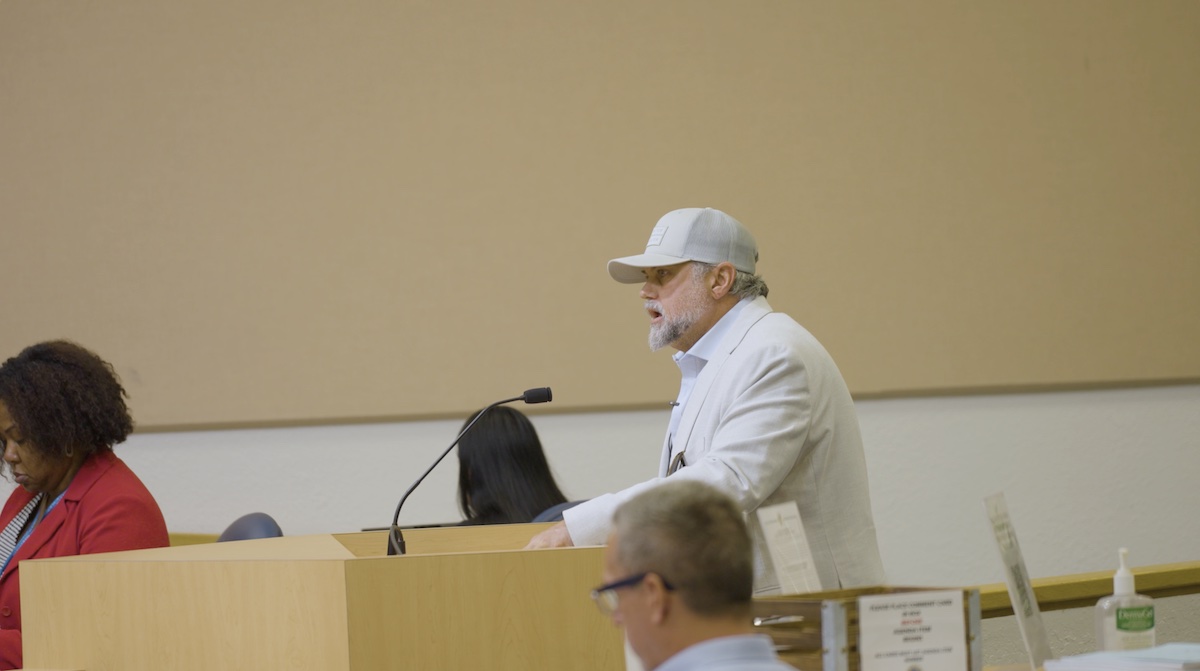
Capt. Chris Wittman speaks out against the Southland Rock Mine at a Palm Beach County hearing in May.
However, instead of submitting their updated proposal on the due date, Southland asked for more time, requesting a six-month extension and now pushing their deadline back to February 27, 2026.
Why the delay? Likely because their so-called “water project” is nothing more than a rock mine, and it can’t meet the District’s standards without exposing its true risks.
This extension is a classic stalling tactic, one we’ve seen time and again from corporate special interests.
2. DEP Permit Challenge Delayed
Another critical front in this fight is the legal challenge filed earlier this year by the Everglades Law Center. The challenge, filed August 12th on behalf of Tropical Audubon Society, contests the Florida Department of Environmental Protection’s decision to grant the final permit Southland needs before blasting can begin—the Environmental Resources Permit (ERP).
However, we’ve now learned that the hearing for this case has been delayed until February 2026, due to a backlog in the state’s Division of Administrative Hearings.
That means the fate of the permit won’t likely be decided until the same month Southland’s new proposal deadline comes due, so a lot is stacking up for next February.
3. Hendry County Sheriff Public Records
Earlier this year, we filed a public records request with the Hendry County Sheriff’s Office regarding communications between Sheriff Steve Whidden and U.S. Sugar.
The Sheriff had publicly accused our organization of “inciting violence” after we raised concerns about the mine—a false and damaging claim that he said in an interview was “brought to [his] attention by U.S. Sugar.”
However, the records we received were largely irrelevant, with no documentation of the Sheriff’s phone call with U.S. Sugar, and no notes or recollection of what was said.
An independent investigation by Reason Magazine, who also filed a records request with the Sheriff’s office, revealed similar findings:
“The sheriff’s office released those records earlier this month, but the records included no additional information concerning Whidden’s communications with sugar companies. In response to a records request by the Tampa Bay Times, the sheriff’s office said there were no written notes or other records regarding Whidden’s phone conversation with U.S. Sugar.” Read the full Reason article here.
In that same article, which examined the basis of the Sheriff’s claims, independent experts who reviewed our actions and social media posts confirmed what we already knew: our speech was lawful, peaceful, and fully protected under the First Amendment.
“Gabe Walters, a staff attorney with the Foundation for Individual Rights and Expression (FIRE), a free speech advocacy group, says that Captains For Clean Water’s activities don’t come close to meeting the legal standard for incitement,” the article said.
Looking Ahead
From the outside, the next few months may seem quiet. But behind the scenes, major decisions are lining up for February 2026, when Southland must finally submit its updated proposal to the SFWMD, and when the DEP permit challenge is expected to be heard.
That month could determine the future of the EAA Reservoir—and with it, the future of Everglades restoration.
Until then, we’ll continue monitoring developments and keeping you informed if anything comes up.
What’s been going on with Big Sugar’s Southland rock mine proposal, and what does the future hold for the dangerous project?
Over the past year, we’ve been fighting alongside our supporters to stop a reckless proposal by Big Sugar and the Southland Group (Phillips & Jordan) to excavate an 8,000-acre industrial rock mine in the Everglades Agricultural Area (EAA)—just 1,000 feet from the $4 billion EAA Reservoir, the crown jewel of Everglades restoration.
This isn’t just another land-use proposal. If allowed to move forward, blasting a mine next to the EAA Reservoir could:
- Compromise the reservoir’s structural integrity.
- Contaminate drinking water for millions of Floridians.
- Undermine decades of restoration work and billions in taxpayer investment.
The U.S. Army Corps of Engineers has already raised concerns about seepage risks and potential impacts to the EAA Reservoir, and scientists warn the consequences could be catastrophic. In short: this is a generational threat to Everglades restoration, Florida’s water, and our way of life. To learn more about the risks of this rock mine, read our full breakdown here.
But while things may appear quiet on the surface right now, there’s been a few behind-the-scenes developments over the past couple of months. And with the situation likely to be relatively stagnant for the next few months, we wanted to provide you with an update on where things stand now.
Here’s the latest:
1. Rock Mine Proposal Deadline Extended
Back on August 27th, the South Florida Water Management District (SFWMD) was expecting an updated, more complete proposal from the Southland Group. This deadline came after SFWMD, in April, outlined specific evaluation criteria for the proposed mine, which Southland has been billing as a “water resources project.”
The request from the district outlined criteria like public benefit, water storage capacity, water quality improvements, and hydrological safety—criteria that should be easily met by a truly beneficial water project.
Capt. Chris Wittman speaks out against the Southland Rock Mine at a Palm Beach County hearing in May.
However, instead of submitting their updated proposal on the due date, Southland asked for more time, requesting a six-month extension and now pushing their deadline back to February 27, 2026.
Why the delay? Likely because their so-called “water project” is nothing more than a rock mine, and it can’t meet the District’s standards without exposing its true risks.
This extension is a classic stalling tactic, one we’ve seen time and again from corporate special interests.
2. DEP Permit Challenge Delayed
Another critical front in this fight is the legal challenge filed earlier this year by the Everglades Law Center. The challenge, filed August 12th on behalf of Tropical Audubon Society, contests the Florida Department of Environmental Protection’s decision to grant the final permit Southland needs before blasting can begin—the Environmental Resources Permit (ERP).
However, we’ve now learned that the hearing for this case has been delayed until February 2026, due to a backlog in the state’s Division of Administrative Hearings.
That means the fate of the permit won’t likely be decided until the same month Southland’s new proposal deadline comes due, so a lot is stacking up for next February.
3. Hendry County Sheriff Public Records
Earlier this year, we filed a public records request with the Hendry County Sheriff’s Office regarding communications between Sheriff Steve Whidden and U.S. Sugar.
The Sheriff had publicly accused our organization of “inciting violence” after we raised concerns about the mine—a false and damaging claim that he said in an interview was “brought to [his] attention by U.S. Sugar.”
However, the records we received were largely irrelevant, with no documentation of the Sheriff’s phone call with U.S. Sugar, and no notes or recollection of what was said.
An independent investigation by Reason Magazine, who also filed a records request with the Sheriff’s office, revealed similar findings:
“The sheriff’s office released those records earlier this month, but the records included no additional information concerning Whidden’s communications with sugar companies. In response to a records request by the Tampa Bay Times, the sheriff’s office said there were no written notes or other records regarding Whidden’s phone conversation with U.S. Sugar.” Read the full Reason article here.
In that same article, which examined the basis of the Sheriff’s claims, independent experts who reviewed our actions and social media posts confirmed what we already knew: our speech was lawful, peaceful, and fully protected under the First Amendment.
“Gabe Walters, a staff attorney with the Foundation for Individual Rights and Expression (FIRE), a free speech advocacy group, says that Captains For Clean Water’s activities don’t come close to meeting the legal standard for incitement,” the article said.
Looking Ahead
From the outside, the next few months may seem quiet. But behind the scenes, major decisions are lining up for February 2026, when Southland must finally submit its updated proposal to the SFWMD, and when the DEP permit challenge is expected to be heard.
That month could determine the future of the EAA Reservoir—and with it, the future of Everglades restoration.
Until then, we’ll continue monitoring developments and keeping you informed if anything comes up.