Florida House votes through an updated version of HB 433 with harmful disparagement provision deleted.
It’s official. The disparagement provision we’ve been fighting to remove from Florida’s Farm Bill has now been stripped from both the Senate and House versions of the legislation.
Today, the House State Affairs Committee voted on an updated version of HB 433, and the harmful language in Section 47 is no longer included. The Senate had already removed the companion provision (Section 48) from SB 290 earlier in the process, so this goose is now fully cooked.
This is exactly what we asked for. For weeks, we’ve been demanding that the legislature delete this provision we’ve referred to as Big Sugar’s Muzzle Clause, and that’s exactly what happened.
What Was at Stake
There was a lot on this line with this legislation, not only for Florida’s waters but for everyone’s freedoms across the country too.
The provision would have significantly changed state defamation law in ways that raised serious concerns for free speech and public accountability.
Specifically, it would have:
- Expanded who could be sued, extending Florida’s existing food disparagement law beyond just perishable products to include all agricultural products and agricultural practices, including sugarcane.
- Created a chilling effect on people raising concerns about agricultural practices that impact water quality, public health, and the environment, even when those concerns are legitimate.
- Increased the financial risk of speaking up by adding one-way attorney’s fees, meaning if an agricultural interest sued and won, the defendant could be forced to pay their legal costs.
And it’s important to note, this wasn’t about spreading misinformation. Florida already has universal defamation laws to protect against false statements.
This proposal went further specifically for a few interests, creating a special legal pathway that could have discouraged people from exercising their First Amendment rights.
Thanks to your support, that threat is now gone.
How It Happened
This critical victory didn’t happen quietly. It happened because thousands of people spoke up against what they believed was wrong.
- Nearly 10,000 people sent emails.
- Almost 2,000 people made phone calls.
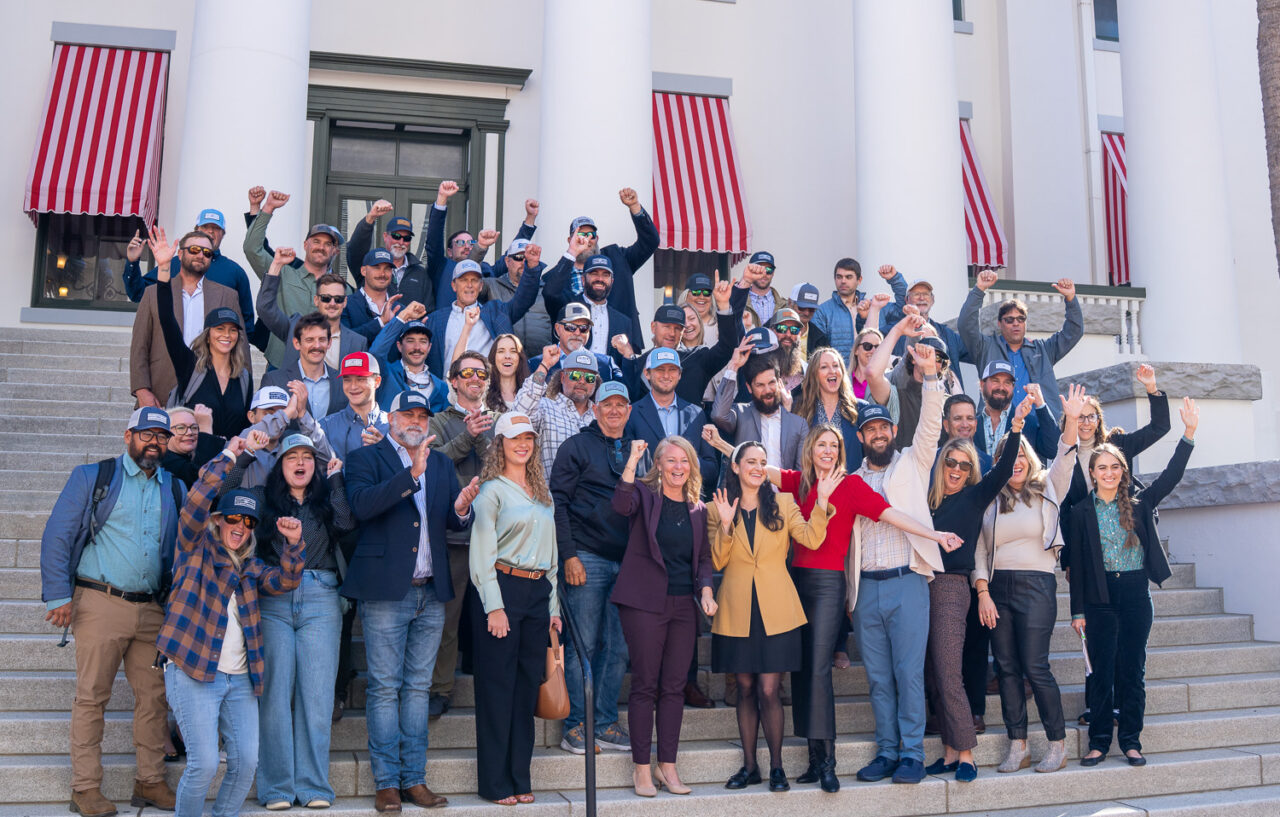
- Dozens of fishing guides, business owners, parents, conservation advocates, and everyday Floridians showed up in Tallahassee to testify.
People paid attention online. People shared. People refused to let this slip through unnoticed.
And thankfully, lawmakers heard that message loud and clear.
Because of your engagement, the proposal that would have increased the risk of speaking out is no longer part of this legislation.
Free speech protections remain intact, and the chilling effect we warned about has been avoided.
What This Proves
This campaign was never about partisan politics or procedural maneuvering.
It was about one simple principle: if a proposal threatens people’s ability to speak freely about issues impacting their communities, it should not become law.
And when people show up—respectfully, persistently, and in large numbers—it makes a difference.
Your calls mattered, your emails mattered, and most of all, your voices mattered.
Because of that, this issue is resolved the way it should be.
And once again, this proves something we’ve seen time and time again: when people engage, good things happen.
Thank you for standing up with us. Your support made all the difference.
Florida House votes through an updated version of HB 433 with harmful disparagement provision deleted.
It’s official. The disparagement provision we’ve been fighting to remove from Florida’s Farm Bill has now been stripped from both the Senate and House versions of the legislation.
Today, the House State Affairs Committee voted on an updated version of HB 433, and the harmful language in Section 47 is no longer included. The Senate had already removed the companion provision (Section 48) from SB 290 earlier in the process, so this goose is now fully cooked.
This is exactly what we asked for. For weeks, we’ve been demanding that the legislature delete this provision we’ve referred to as Big Sugar’s Muzzle Clause, and that’s exactly what happened.
What Was at Stake
There was a lot on this line with this legislation, not only for Florida’s waters but for everyone’s freedoms across the country too.
The provision would have significantly changed state defamation law in ways that raised serious concerns for free speech and public accountability.
Specifically, it would have:
- Expanded who could be sued, extending Florida’s existing food disparagement law beyond just perishable products to include all agricultural products and agricultural practices, including sugarcane.
- Created a chilling effect on people raising concerns about agricultural practices that impact water quality, public health, and the environment, even when those concerns are legitimate.
- Increased the financial risk of speaking up by adding one-way attorney’s fees, meaning if an agricultural interest sued and won, the defendant could be forced to pay their legal costs.
And it’s important to note, this wasn’t about spreading misinformation. Florida already has universal defamation laws to protect against false statements.
This proposal went further specifically for a few interests, creating a special legal pathway that could have discouraged people from exercising their First Amendment rights.
Thanks to your support, that threat is now gone.
How It Happened
This critical victory didn’t happen quietly. It happened because thousands of people spoke up against what they believed was wrong.
- Nearly 10,000 people sent emails.
- Almost 2,000 people made phone calls.
- Dozens of fishing guides, business owners, parents, conservation advocates, and everyday Floridians showed up in Tallahassee to testify.
People paid attention online. People shared. People refused to let this slip through unnoticed.
And thankfully, lawmakers heard that message loud and clear.
Because of your engagement, the proposal that would have increased the risk of speaking out is no longer part of this legislation.
Free speech protections remain intact, and the chilling effect we warned about has been avoided.
What This Proves
This campaign was never about partisan politics or procedural maneuvering.
It was about one simple principle: if a proposal threatens people’s ability to speak freely about issues impacting their communities, it should not become law.
And when people show up—respectfully, persistently, and in large numbers—it makes a difference.
Your calls mattered, your emails mattered, and most of all, your voices mattered.
Because of that, this issue is resolved the way it should be.
And once again, this proves something we’ve seen time and time again: when people engage, good things happen.
Thank you for standing up with us. Your support made all the difference.